How to Design a Functional Luxury Kitchen: A Complete Guide for 2026
Designing a luxury kitchen in 2026 is no longer just about choosing the most expensive materials or filling the space with high‑end appliances. Today’s luxury homeowners expect a kitchen that blends beauty with purpose, elegance with efficiency, and sophistication with everyday practicality. The modern luxury kitchen is a living environment — a place where cooking, entertaining, and connection happen naturally. It must feel intuitive, comfortable, and tailored to the homeowner’s lifestyle. As expectations evolve, the definition of a “functional luxury kitchen” has expanded to include intelligent layouts, ergonomic design, personalized storage, and seamless technology integration. This guide explores the principles and trends shaping functional luxury kitchens in 2026, offering a comprehensive look at how to create a space that is both stunning and exceptionally usable. At the core of any functional luxury kitchen is its layout. The traditional work triangle — connecting the sink, stove, and refrigerator — remains a foundational concept, but in 2026, designers are rethinking how movement flows through the space. Instead of a single triangle, many luxury kitchens now incorporate multiple zones dedicated to specific tasks. There may be a cooking zone with a professional‑grade range, a prep zone with an integrated sink and cutting surface, a cleaning zone with a dishwasher and waste system, and an entertaining zone with a beverage center or bar. This multi‑zone approach allows several people to use the kitchen simultaneously without getting in each other’s way. It also supports the growing trend of open‑concept living, where the kitchen must function as both a workspace and a social hub. Islands play a crucial role in this evolution, often serving as the central point where cooking, dining, and gathering intersect. Ergonomics is another essential component of functional luxury design. A kitchen may look beautiful, but if it’s uncomfortable to use, it fails its purpose. In 2026, designers are paying close attention to the height of countertops, the placement of appliances, and the accessibility of storage. Countertops are often customized to the homeowner’s height, ensuring that prep work feels natural and strain‑free. Wall ovens are installed at eye level to eliminate bending, and dishwashers are raised slightly off the floor for easier loading. Drawers are replacing lower cabinets because they allow full visibility and access without kneeling or reaching into dark corners. Even the choice of materials contributes to ergonomics: matte finishes reduce glare, rounded edges prevent bumps, and soft‑close mechanisms create a quieter, more comfortable environment. These details may seem subtle, but together they create a kitchen that feels effortless to use.
Book a design consultation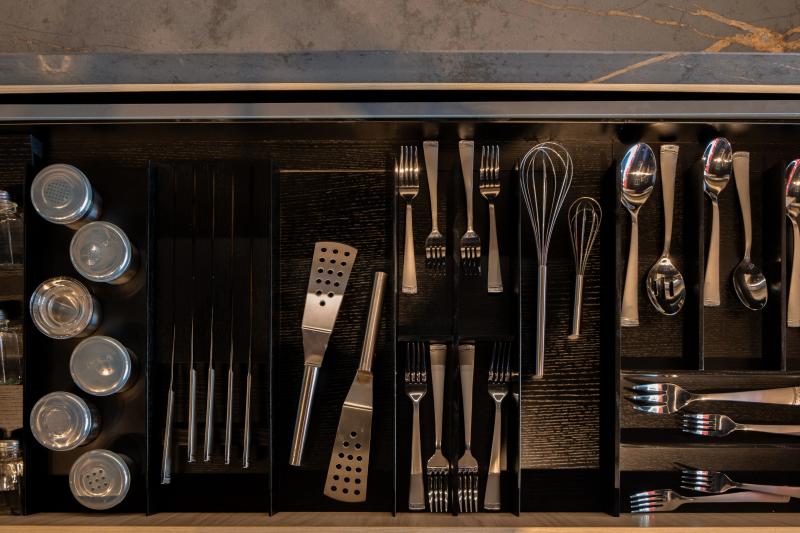
Reserve your showroom visit now
Book a private walkthrough of our Doral studio and see the materials and finishes in person.
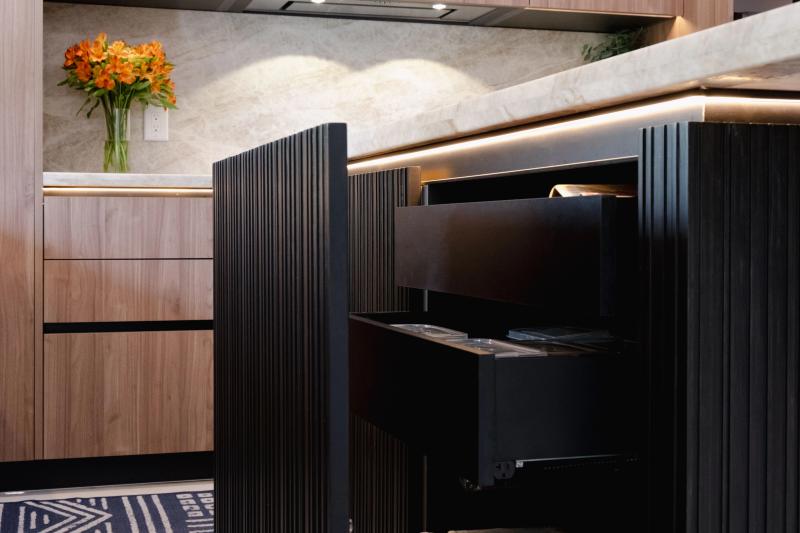
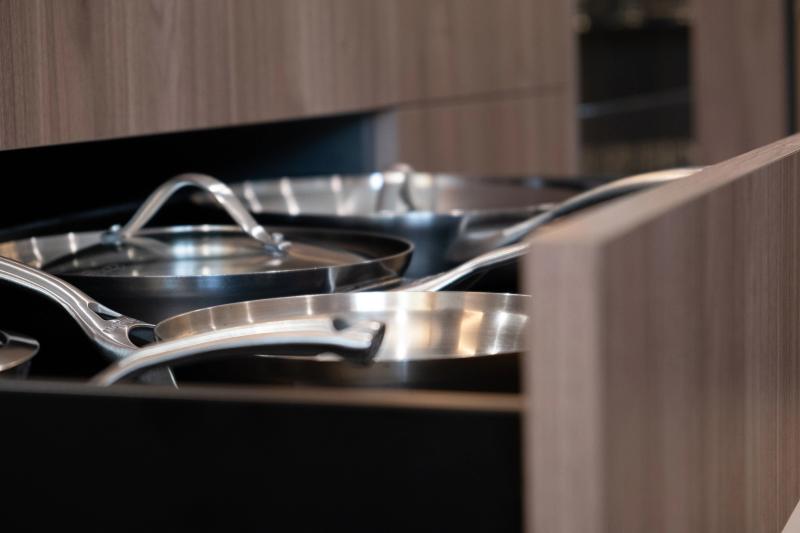
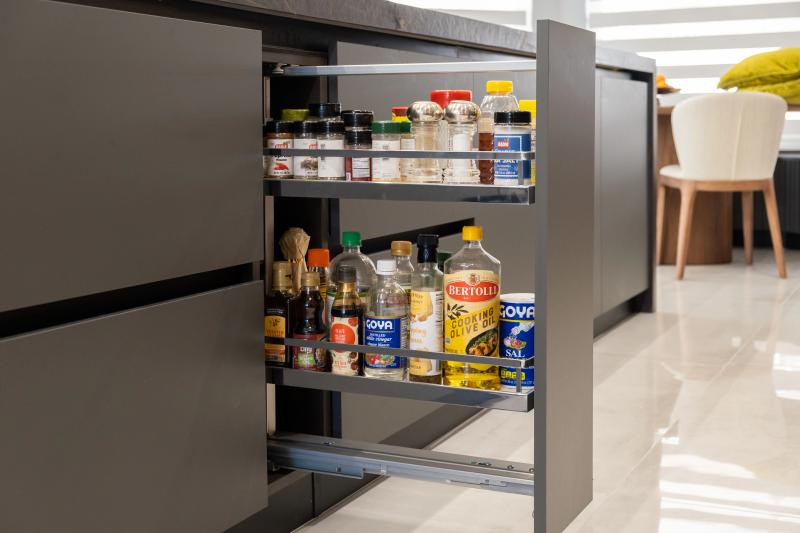
Functionality also depends heavily on storage — not just the amount of storage, but the quality and organization of it. Luxury homeowners in 2026 expect storage solutions that are tailored to their habits and preferences. Custom cabinetry now includes specialized compartments for spices, utensils, baking sheets, pots and pans, and small appliances. Deep drawers with dividers keep items organized, while pull‑out shelves make it easy to access everything without digging. Walk‑in pantries have become a hallmark of high‑end kitchens, offering floor‑to‑ceiling shelving, climate‑controlled zones, and dedicated areas for bulk items. Many luxury homes also feature a secondary prep kitchen or “back kitchen,” which serves as a hidden workspace for meal preparation, storage, and cleanup. This allows the main kitchen to remain pristine and ready for entertaining, reinforcing the idea that luxury is as much about convenience as it is about aesthetics. Technology plays a transformative role in functional luxury kitchens, but in 2026, the emphasis is on integration rather than visibility. Smart appliances are designed to blend seamlessly into the environment while offering advanced capabilities that enhance daily life. AI‑powered ovens can identify the type of food being cooked and adjust temperature and timing automatically. Refrigerators track inventory, suggest recipes, and even place grocery orders. Induction cooktops heat only the cookware, making them safer and more energy‑efficient, while also allowing for a sleek, uninterrupted countertop surface. Voice‑activated faucets, lighting systems, and ventilation hoods add convenience, especially when hands are full. Hidden charging stations keep devices powered without cluttering the countertops, and smart lighting adjusts throughout the day to create the perfect ambiance. These technologies are not meant to dominate the kitchen but to support a lifestyle where efficiency and comfort coexist. Lighting is another critical element of functional luxury design. A well‑lit kitchen is not only more beautiful but also more practical. In 2026, luxury kitchens feature layered lighting that includes ambient, task, and accent illumination. Ambient lighting provides overall brightness, often through recessed fixtures or architectural lighting integrated into the ceiling. Task lighting focuses on work areas such as countertops, islands, and sinks, ensuring that food preparation is safe and comfortable. LED strips hidden beneath upper cabinets or within shelving provide targeted illumination without harsh shadows. Accent lighting highlights architectural features, artwork, or textured materials, adding depth and visual interest. Many luxury kitchens also incorporate dimmable systems and smart controls that allow homeowners to adjust lighting based on the time of day or the mood they want to create. This level of customization enhances both functionality and atmosphere.
Reserve your showroom visit now
Book a private walkthrough of our Doral studio and see the materials and finishes in person.
Material selection is another area where functionality and luxury intersect. While aesthetics are important, the materials used in a high‑end kitchen must also be durable, easy to maintain, and suitable for daily use. In 2026, homeowners are gravitating toward natural stone, engineered quartz, and porcelain slabs for countertops and backsplashes. These materials offer a combination of beauty and performance, resisting stains, heat, and scratches. Textured woods such as walnut and oak add warmth and character, while also aging gracefully over time. Metals like brushed brass, stainless steel, and blackened steel provide contrast and sophistication. Flooring materials such as large‑format porcelain tiles or engineered hardwoods offer durability and comfort underfoot. The key is choosing materials that not only look luxurious but also support the demands of a busy kitchen. Ventilation is another often overlooked but essential component of a functional luxury kitchen. High‑performance ventilation systems ensure that cooking odors, smoke, and steam are effectively removed, keeping the air clean and the environment comfortable. In 2026, many luxury kitchens feature concealed ventilation systems that blend into the cabinetry or ceiling, maintaining a sleek aesthetic. Downdraft systems integrated into cooktops are also becoming more popular, especially in open‑concept layouts where a traditional hood might disrupt the visual flow. Proper ventilation not only improves air quality but also protects cabinetry and finishes from moisture and grease, extending the life of the kitchen. The functional luxury kitchen also prioritizes flexibility. As lifestyles evolve, homeowners want spaces that can adapt to different needs. Multi‑functional islands, movable seating, and modular storage solutions allow the kitchen to transition seamlessly from cooking to entertaining to working. Some luxury kitchens even incorporate hidden workstations or integrated desks, reflecting the growing trend of hybrid living spaces. This flexibility ensures that the kitchen remains relevant and useful for years to come. Finally, a functional luxury kitchen must reflect the personality and lifestyle of the homeowner. Customization is at the heart of luxury design in 2026. Whether it’s a dedicated coffee station for a morning ritual, a built‑in wine wall for a collector, or a professional‑grade range for a passionate cook, the kitchen should feel uniquely tailored. Designers are increasingly collaborating with homeowners to understand their habits, preferences, and routines, creating spaces that feel deeply personal. This level of customization transforms the kitchen from a generic space into a meaningful environment that enhances daily life. In 2026, the functional luxury kitchen is defined by a harmonious blend of beauty, innovation, and practicality. It is a space where thoughtful design meets advanced technology, where natural materials meet ergonomic comfort, and where personalization meets timeless elegance. As the heart of the home continues to evolve, the luxury kitchen stands as a testament to the idea that true luxury is not about excess but about intentionality. It is about creating a space that supports the way people live, cook, gather, and connect. A functional luxury kitchen is not just a place to prepare meals — it is a place to live beautifully.
Reserve your showroom visit now
Book a private walkthrough of our Doral studio and see the materials and finishes in person.
EXPLOREMORE
Go beyond the finished space. Explore the insights, inspirations, collaborations, and ideas that shape our world.

INSIGHT
How to Maximize Small Closet Space: A Designer's Guide
Practical ways to maximize small closet space: measure what you hang, add a second rod, choose drawers over shelves where it counts, and light it properly.
INSIGHT
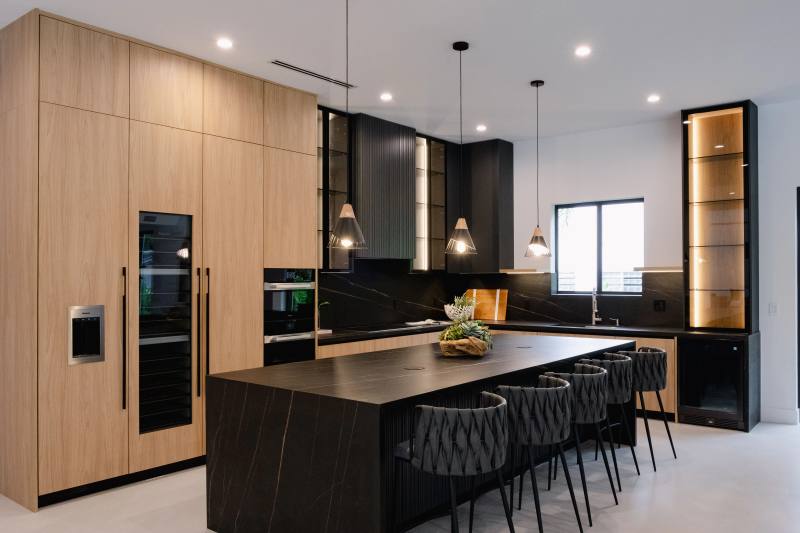
How a Luxury Kitchen Increases Home Value: The 2026 Guide to High-End ROI
Learn how a luxury kitchen boosts home value in 2026 through premium materials, smart appliances, custom design, and features that attract high-end buyers.
INSIGHT
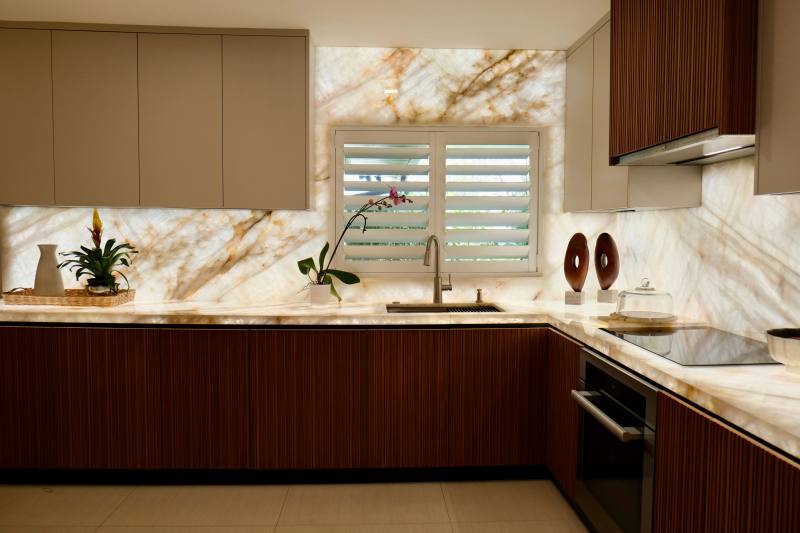
The Best Luxury Countertop Materials for 2026: Marble, Quartz, Quartzite, and the New Era of High-End Surfaces
Discover the top luxury countertop materials for 2026 - marble, quartz, quartzite, granite, Dekton, porcelain - for elegant, durable, and timeless kitchens.