Luxury Kitchen Lighting in 2026: How Illumination Shapes Elegance, Functionality, and Atmosphere
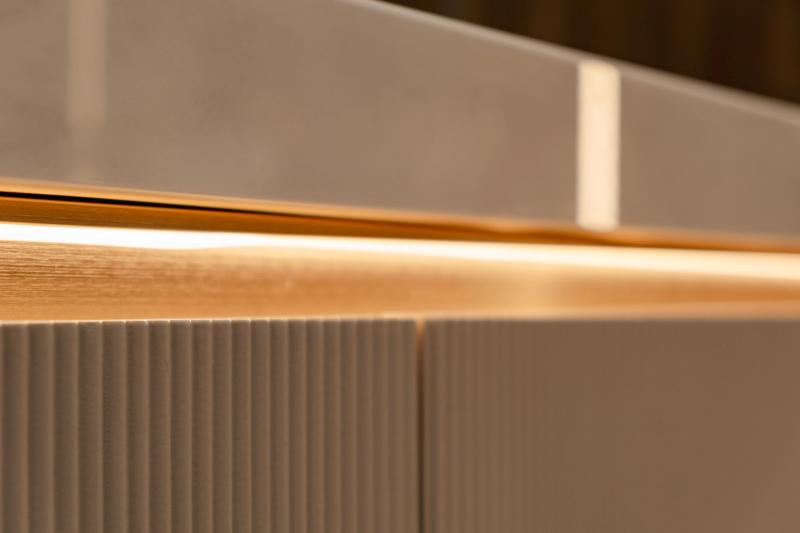
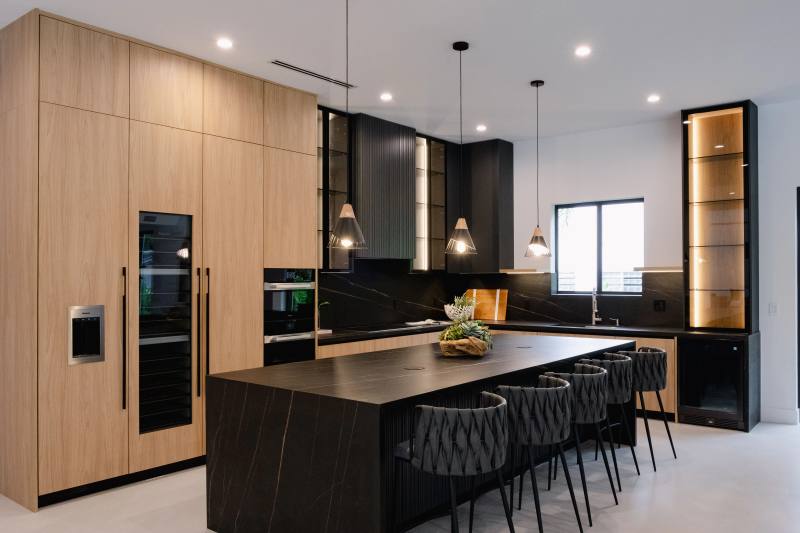
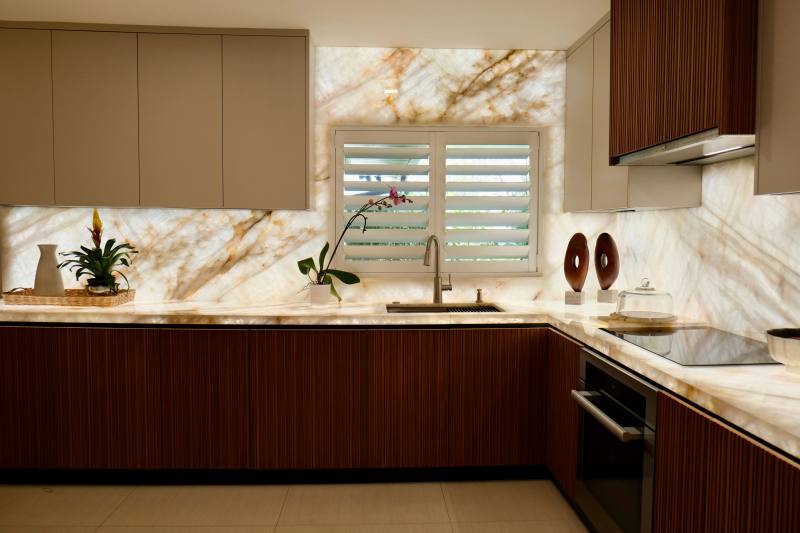
Lighting has become one of the most defining elements of luxury kitchen design in 2026. No longer treated as an afterthought or a purely functional necessity, lighting now plays a central role in shaping the mood, enhancing the architecture, and elevating the overall experience of the space. In high‑end kitchens, lighting is a design language — one that communicates sophistication, intention, and a deep understanding of how people live and interact with their environment. The modern luxury kitchen is a place where cooking, entertaining, and everyday living converge, and lighting is the invisible force that ties it all together. As homeowners seek spaces that feel warm, inviting, and visually striking, designers are embracing new technologies, materials, and strategies that transform lighting into a true art form. One of the most significant shifts in 2026 is the rise of layered lighting, a design approach that combines ambient, task, and accent lighting to create depth and dimension. Ambient lighting provides the overall illumination of the space, often through recessed fixtures, architectural lighting integrated into the ceiling, or soft indirect lighting that washes the room in a warm glow. Task lighting focuses on specific work areas such as countertops, islands, and sinks, ensuring that food preparation is safe and comfortable. Accent lighting highlights architectural features, textured materials, or decorative elements, adding visual interest and sophistication. This layered approach allows designers to create a dynamic environment that adapts to different activities and moods, from bright and energetic during meal prep to soft and intimate during evening gatherings. The kitchen island, often the centerpiece of the luxury kitchen, has become a focal point for lighting innovation. In 2026, sculptural pendant lights are taking center stage, serving as both functional fixtures and artistic statements. These pendants are often oversized, handcrafted, or made from unique materials such as blown glass, natural stone, or brushed metal. They hang above the island like jewelry, drawing the eye and anchoring the space. Many homeowners are opting for clusters of smaller pendants arranged in organic formations, creating a sense of movement and drama. Others prefer a single, bold fixture that commands attention. Regardless of the style, the goal is to create a visual moment that enhances the island’s design and elevates the overall aesthetic of the kitchen. Under‑cabinet and under‑counter lighting have also become essential elements of luxury kitchen design. In 2026, LED strip lighting is used not only for task illumination but also for creating ambiance and highlighting architectural details. LED strips installed beneath upper cabinets provide focused light for chopping, mixing, and cooking, while strips integrated into the underside of countertops create a floating effect that adds depth and sophistication. Many designers are using LED lighting to highlight textured materials such as fluted wood, stone backsplashes, or ribbed cabinetry, enhancing their visual impact. These subtle touches contribute to a sense of refinement and craftsmanship, making the kitchen feel more luxurious and thoughtfully designed.
Book a design consultation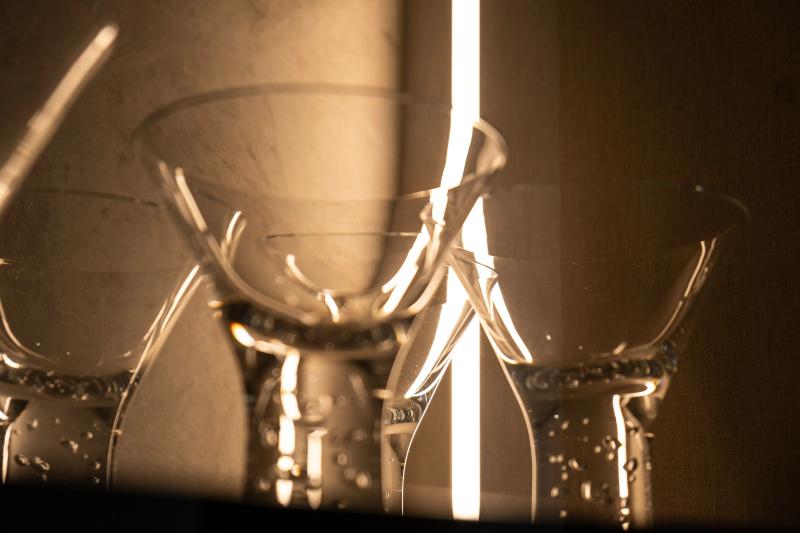
Reserve your showroom visit now
Book a private walkthrough of our Doral studio and see the materials and finishes in person.
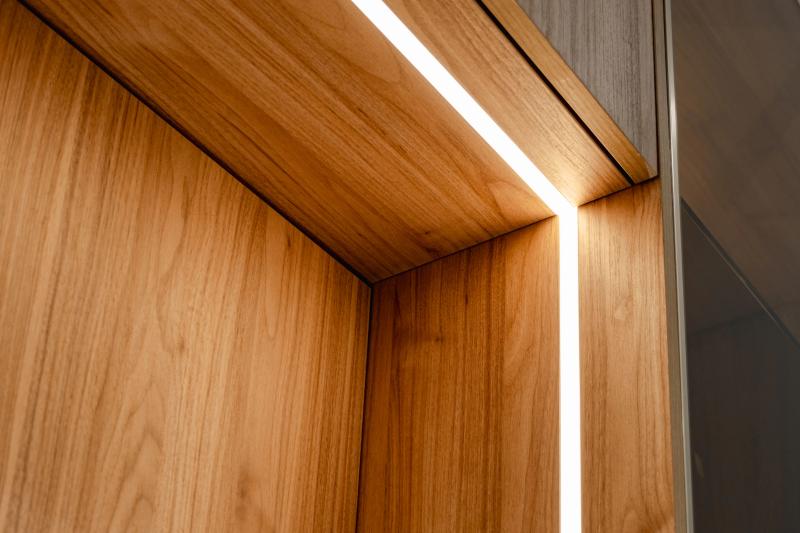
Another major trend in 2026 is the integration of smart lighting systems that allow homeowners to control brightness, color temperature, and ambiance with ease. Smart lighting can adjust automatically throughout the day, mimicking natural light patterns to support circadian rhythms and enhance well‑being. In the morning, lights may brighten gradually to create an energizing atmosphere, while in the evening they may shift to warmer tones that promote relaxation. Voice‑activated controls, app‑based settings, and programmable scenes allow homeowners to customize their lighting based on activities such as cooking, entertaining, or unwinding. This level of personalization transforms lighting from a static feature into a dynamic, responsive element that enhances the overall experience of the kitchen. Recessed lighting continues to be a staple in luxury kitchens, but in 2026 it has evolved into a more refined and architectural form. Designers are using trimless recessed fixtures that blend seamlessly into the ceiling, creating a clean, minimalist look. These fixtures provide even, unobtrusive illumination that enhances the space without drawing attention to themselves. Some kitchens feature recessed linear lighting integrated into the ceiling or walls, adding a modern, sculptural element that complements the overall design. This approach reinforces the trend toward invisible luxury — design that feels effortless, intentional, and quietly sophisticated. Natural light remains one of the most coveted features in luxury kitchens, and in 2026 designers are finding innovative ways to maximize it. Large windows, skylights, and glass doors are used to flood the space with daylight, creating a bright, airy environment that feels connected to the outdoors. Many homeowners are opting for floor‑to‑ceiling windows that blur the line between indoor and outdoor living, allowing natural light to become a central design element. In kitchens with limited natural light, designers are using reflective materials such as polished stone, glass, and metallic finishes to bounce light around the room and create a sense of openness. The interplay between natural and artificial light is carefully considered to ensure a harmonious and balanced environment.
Reserve your showroom visit now
Book a private walkthrough of our Doral studio and see the materials and finishes in person.
Accent lighting has become a powerful tool for highlighting the craftsmanship and materials that define luxury kitchens. In 2026, designers are using integrated lighting to showcase open shelving, glass‑front cabinets, and architectural niches. LED strips installed inside cabinets illuminate curated collections of dishware, glassware, or decorative objects, turning storage into a design feature. Lighting integrated into shelving or display units adds depth and dimension, creating a boutique‑like atmosphere. This approach reflects a broader trend toward personalization and curation, where homeowners use lighting to express their style and elevate everyday objects. Toe‑kick lighting is another subtle yet impactful trend in 2026. LED strips installed along the base of cabinetry create a soft glow that enhances the sense of depth and adds a touch of luxury. This lighting is particularly effective in open‑concept kitchens, where it helps define the space and create a warm, inviting atmosphere. Toe‑kick lighting also serves a practical purpose, providing gentle illumination during nighttime hours without the need for overhead lights. This combination of beauty and functionality makes it a popular choice in high‑end kitchen design. Sustainability is also influencing lighting choices in 2026. Homeowners are increasingly choosing energy‑efficient LED fixtures, low‑VOC materials, and smart systems that reduce energy consumption. Many luxury brands are embracing eco‑friendly manufacturing practices, offering lighting solutions that align with the values of environmentally conscious consumers. This shift reflects a broader trend toward responsible luxury, where beauty and sustainability coexist. One of the most exciting developments in 2026 is the use of material‑driven lighting, where the fixture itself becomes a work of art. Designers are experimenting with natural materials such as alabaster, onyx, and hand‑blown glass to create lighting that feels organic and sculptural. These materials diffuse light in unique ways, creating soft, atmospheric illumination that enhances the overall mood of the kitchen. Alabaster pendants, for example, emit a warm, glowing light that adds a sense of intimacy and elegance. Onyx fixtures create dramatic patterns and shadows, adding depth and visual interest. These artisanal pieces reflect a growing appreciation for craftsmanship and individuality in luxury design. As we look at the lighting trends shaping luxury kitchens in 2026, one theme becomes clear: lighting is no longer just a functional necessity — it is a defining element of the design. It shapes the atmosphere, enhances the architecture, and elevates the everyday experience of the space. Whether through layered lighting, sculptural pendants, smart systems, or material‑driven fixtures, the lighting of 2026 reflects a new era of intentional, sophisticated design. It transforms the kitchen into a place where beauty, functionality, and emotion come together, creating an environment that feels warm, inviting, and truly luxurious.
Reserve your showroom visit now
Book a private walkthrough of our Doral studio and see the materials and finishes in person.
EXPLOREMORE
Go beyond the finished space. Explore the insights, inspirations, collaborations, and ideas that shape our world.

INSIGHT
How to Maximize Small Closet Space: A Designer's Guide
Practical ways to maximize small closet space: measure what you hang, add a second rod, choose drawers over shelves where it counts, and light it properly.
INSIGHT
How a Luxury Kitchen Increases Home Value: The 2026 Guide to High-End ROI
Learn how a luxury kitchen boosts home value in 2026 through premium materials, smart appliances, custom design, and features that attract high-end buyers.
INSIGHT
The Best Luxury Countertop Materials for 2026: Marble, Quartz, Quartzite, and the New Era of High-End Surfaces
Discover the top luxury countertop materials for 2026 - marble, quartz, quartzite, granite, Dekton, porcelain - for elegant, durable, and timeless kitchens.