How to Maximize Small Closet Space: A Designer's Guide
How to maximize small closet space starts with dividing the available height, depth, and hanging area around the clothes you actually own. Most compact closets are not simply full. They are organized around a generic layout that wastes vertical space and makes everyday items difficult to reach.
In this article, our design team explains how to increase usable storage by measuring your wardrobe, choosing the right mix of rods, drawers, and shelves, and recognizing when a custom layout is worth considering.
Book a design consultation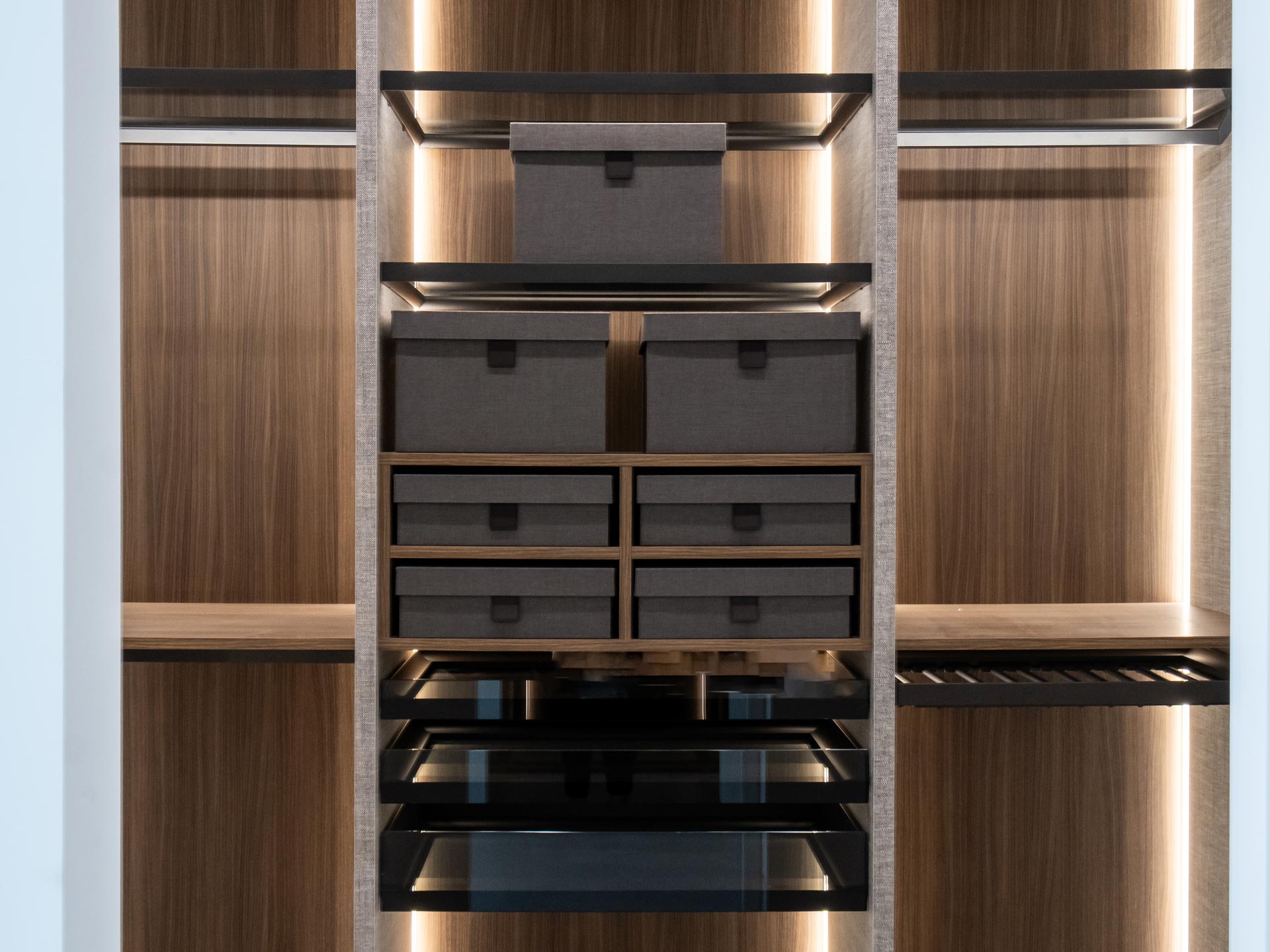
How to Maximize Small Closet Space Before Buying Organizers?
Before buying organizers, empty the closet, group everything by category, and remove items that no longer belong there. Then count what must hang, fold, or remain within daily reach. Organizers work best when they solve a measured storage problem. Adding shelves, bins, or hanging compartments without this step often creates a closet that is fuller but not easier to use.
Sort Everything by Category
Separate short garments, long garments, folded clothes, shoes, accessories, and seasonal items. This reveals which category is consuming the most space and which items need a different location.
The University of Georgia Extension guide to clutter control recommends sorting belongings before choosing storage solutions. A useful habit is simple: if something takes less than 60 seconds to put away, do it immediately.
Remove What the Closet Cannot Realistically Hold
No closet system can compensate for keeping far more clothing than the physical space can support. Donate, relocate, or rotate anything that is rarely worn.
In our design work, we often see small closets that are not completely full. Their available space has simply been divided poorly.
How Much Hanging Space Do You Actually Need?
Calculate hanging space by counting garments and measuring how far they extend below the hanger. Shirts, blouses, folded pants, dresses, and coats need different clearances. Once you know how much short and long hanging space is required, you can decide whether to add a second rod, preserve a full-height section, or move some clothing into drawers.
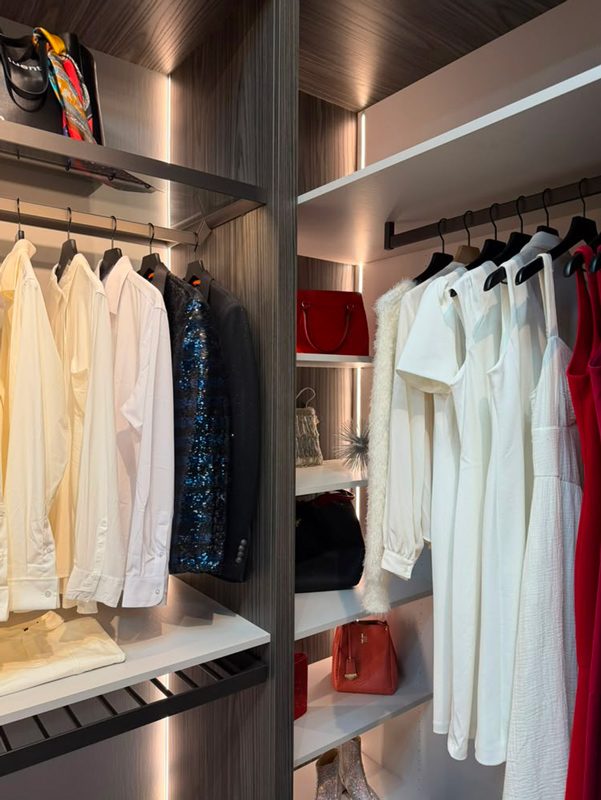
Count Clothes Before Measuring the Closet
Begin with the wardrobe, not the hardware. A closet holding mostly shirts needs a different layout from one containing dresses, coats, folded clothes, and shoes.
Our team starts by counting garments because rod placement should follow the wardrobe, not the other way around.
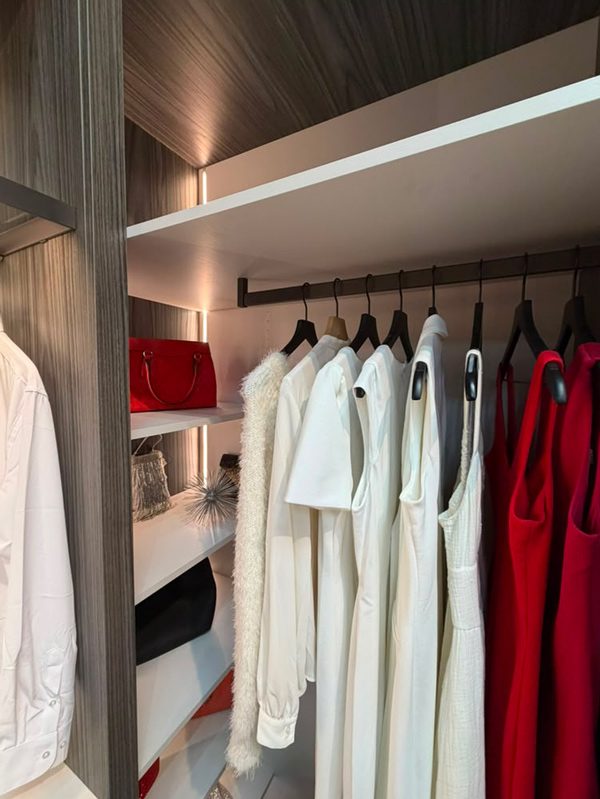
Measure the Real Length of Hanging Clothes
Hang representative items and measure from the rod to the garment hem. Do not assume every item requires the full height of the closet.
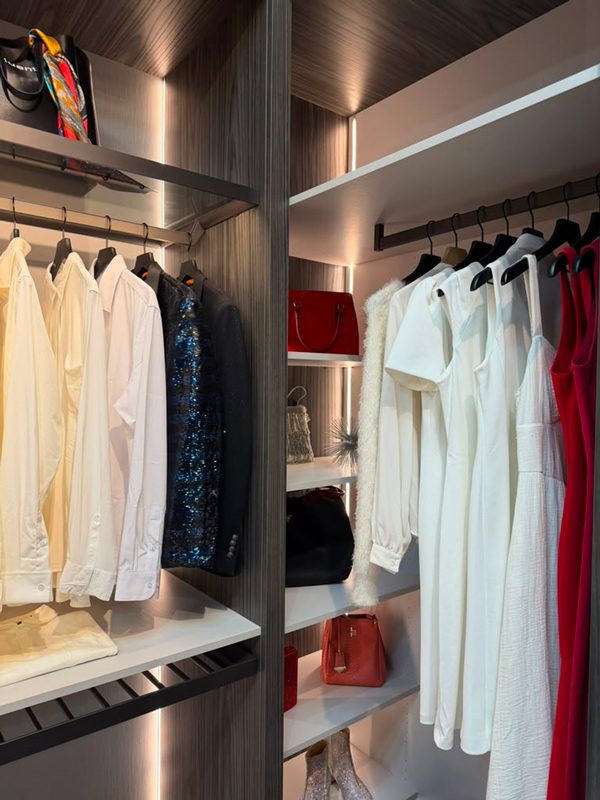
Divide Short-Hanging and Long-Hanging Zones
Reserve double-hanging areas for shirts, blouses, skirts, and folded pants. Keep a separate uninterrupted section for dresses, coats, or other long garments.
Reserve your showroom visit now
Book a private walkthrough of our Doral studio and see the materials and finishes in person.
What Are Effective Strategies for Optimizing Closet Storage Space?
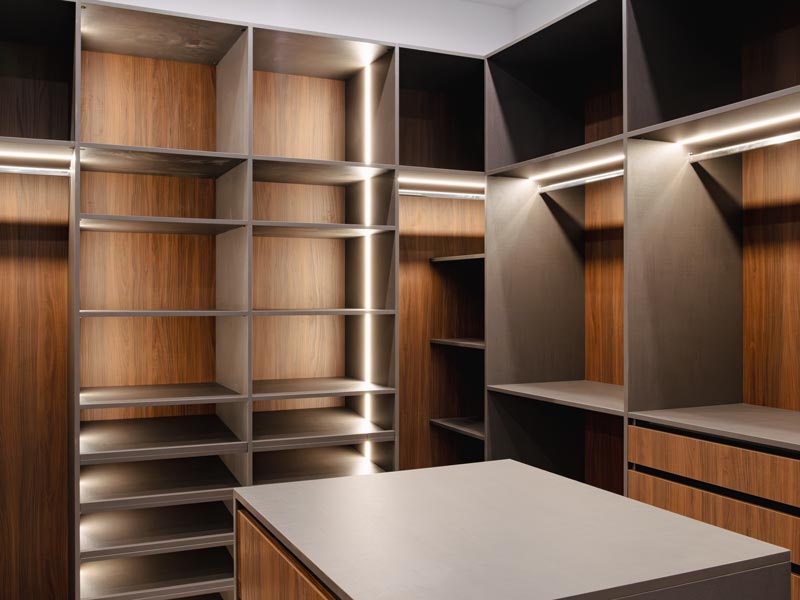
The most effective strategies are to use the full wall height, add a second hanging rod where garments are short, replace inaccessible deep shelves with shallower storage, and rotate seasonal clothing. Doors, upper shelves, and floor space can also add capacity, but frequently used items should remain visible and easy to return after use.
Use the Full Wall Height
Upper shelves are useful for luggage, spare bedding, and seasonal clothing. Store these items in labeled containers, but avoid placing everyday belongings where a step stool is always required.
Divide the Closet Into Storage Zones
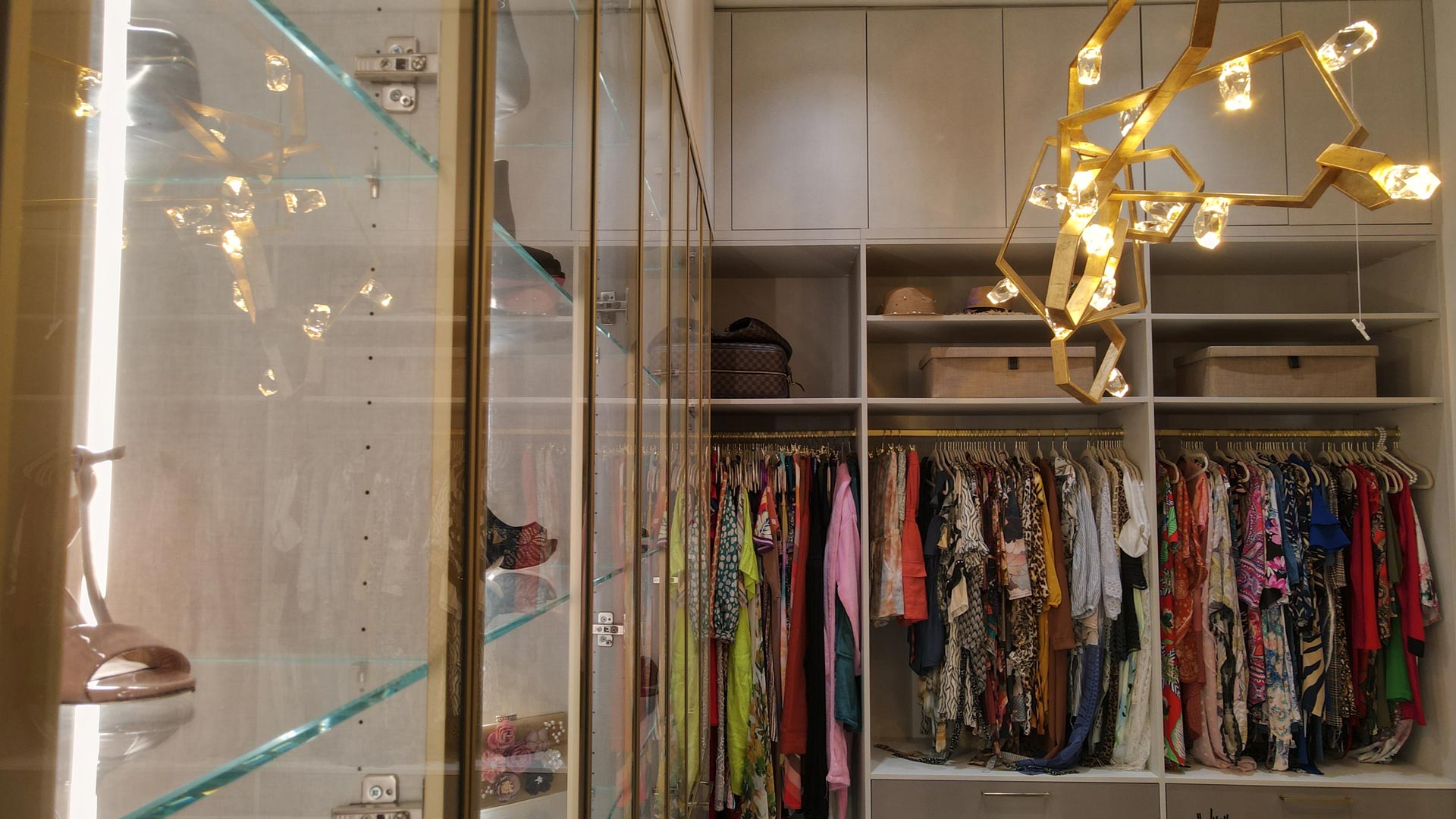
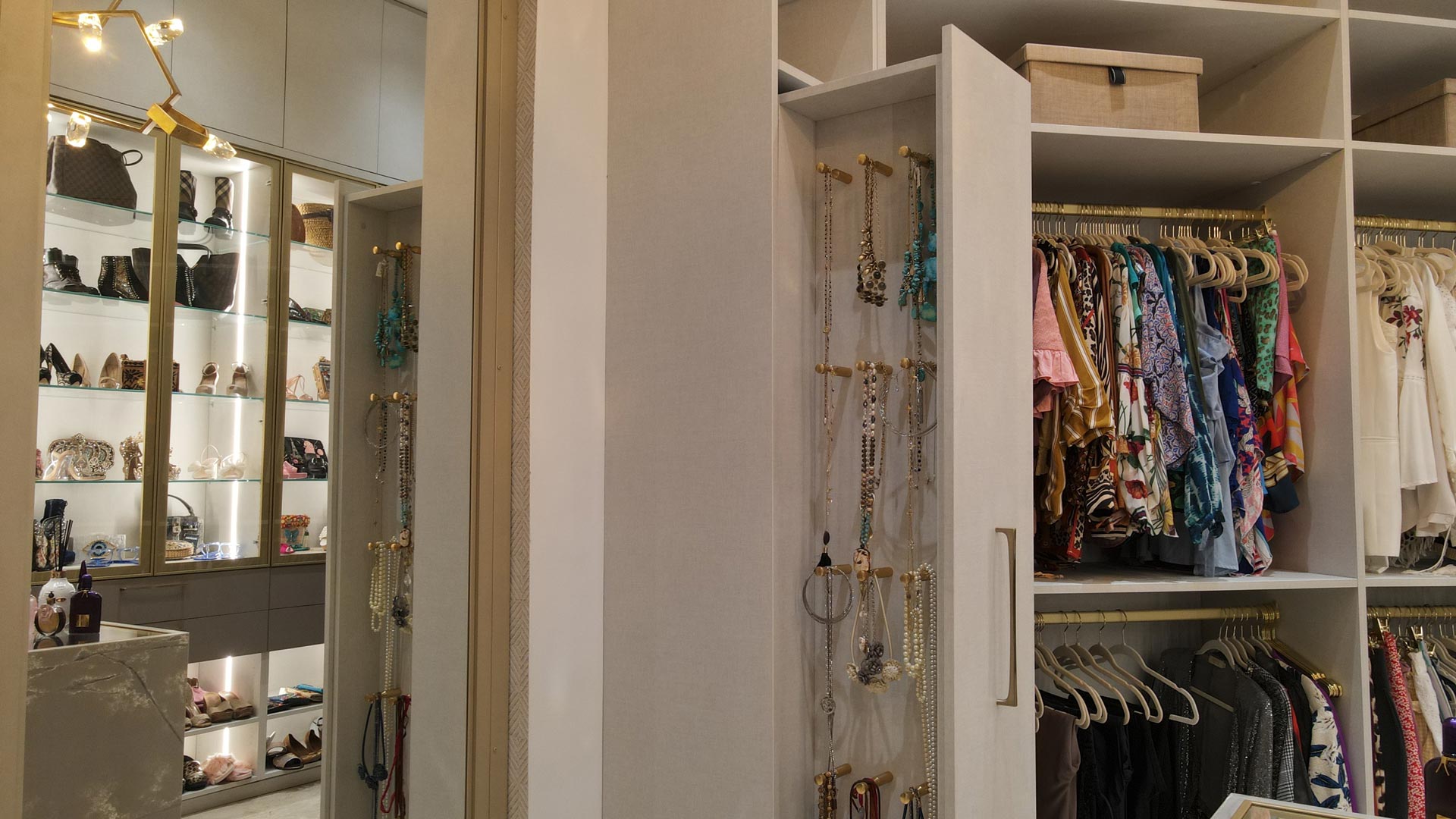
Assign separate zones for daily clothing, long garments, folded items, shoes, accessories, and seasonal storage. Clear zones prevent one category from spreading into every available space.
Rotate Seasonal Clothing
Move heavy or off-season garments away from the most accessible areas. Under-bed containers or upper shelves can hold items that will not be used for several months.
Keep Daily Items Visible and Within Reach
A closet is not efficient merely because every inch is occupied. It works when frequently used items can be seen, reached, and returned without moving other belongings.
Why Does a Second Hanging Rod Work So Well in a Small Closet?
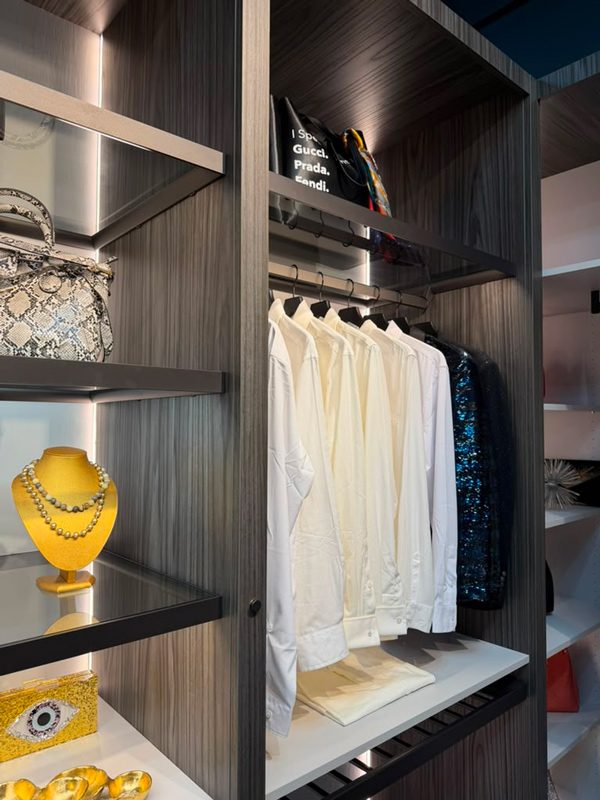
A second rod can nearly double hanging capacity when most garments are shirts, blouses, skirts, or folded pants. These items often require about 40 inches of vertical clearance. The method is less effective when the wardrobe contains many dresses or coats, so preserve at least one full-height section for long clothing.
Use Double Hanging for Short Garments
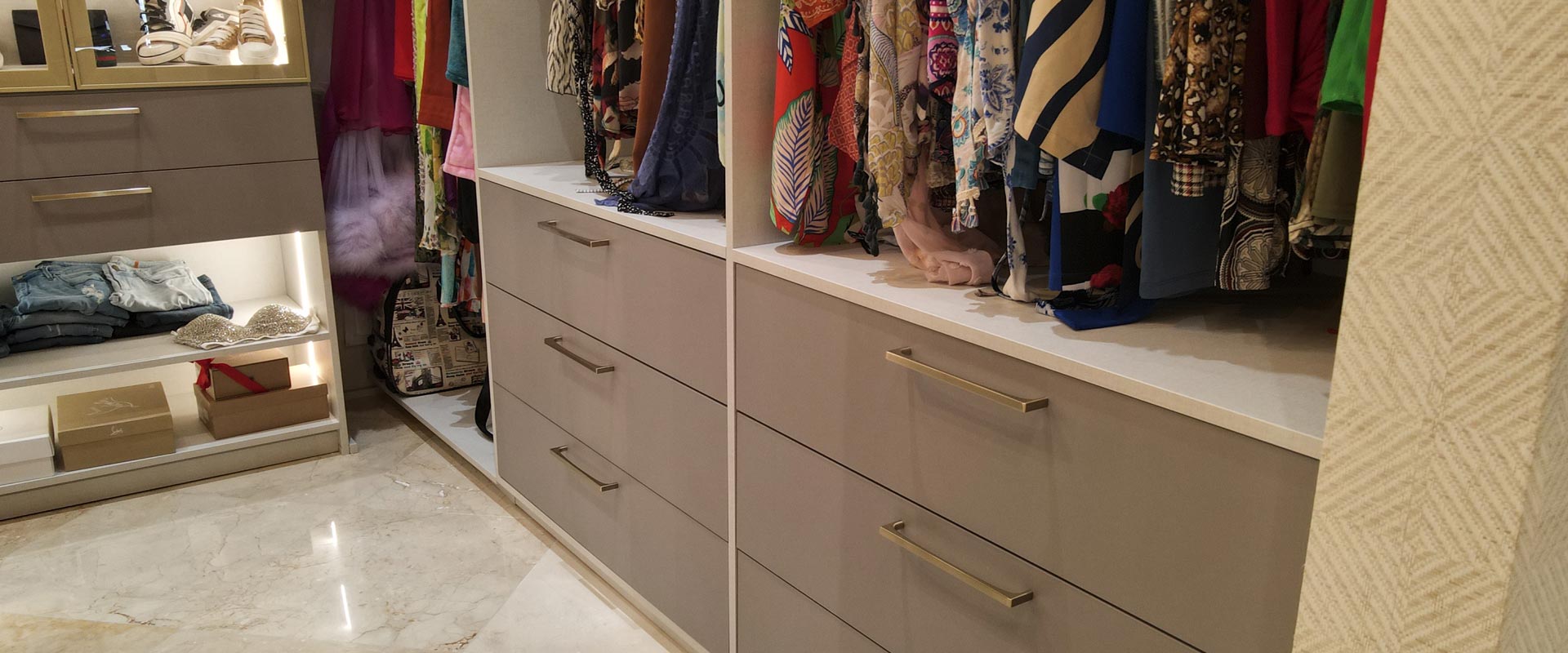
A common starting layout places the lower rod around 40 to 42 inches from the floor and the upper rod around 80 to 82 inches. Actual placement should reflect garment length and user reach.
Preserve a Zone for Long Clothing
Do not install a second rod across the entire closet unless every hanging item is short. Even a narrow full-height section can prevent long clothing from folding or dragging.
Plan Rod Heights Around the Wardrobe
Industry references such as the NKBA planning guidelines address clothing storage and accessible reach. Treat standard dimensions as planning references, then adjust them to the people and garments using the closet.
How Can Hanging Closet Organizers Help Maximize Small Closet Space?
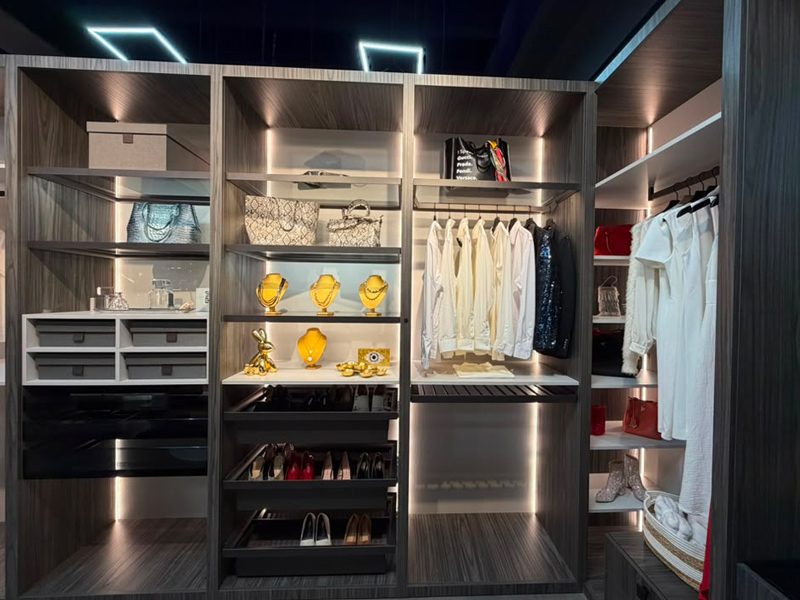
Hanging closet organizers add shelves or pockets without permanent installation, making them useful for folded shirts, accessories, or lightweight items. They also consume valuable rod width and may sag when overloaded. We consider them most effective as an affordable or temporary solution when a closet has spare hanging space but lacks drawers or small compartments.
When Hanging Organizers Work Well
They are practical for renters, children's clothing, lightweight accessories, and closets that need quick organization without drilling or built-in cabinetry.
When They Waste More Space Than They Save
Avoid them when rod space is already limited, garments are heavy, or the organizer blocks access to clothing behind it.
Choose Them as a Tradeoff
Every organizer solves one problem by using space that could serve another purpose. We view hanging organizers as a useful tool, not an automatic improvement.
Drawers or Shelves: Which One Wins in a Narrow Closet?
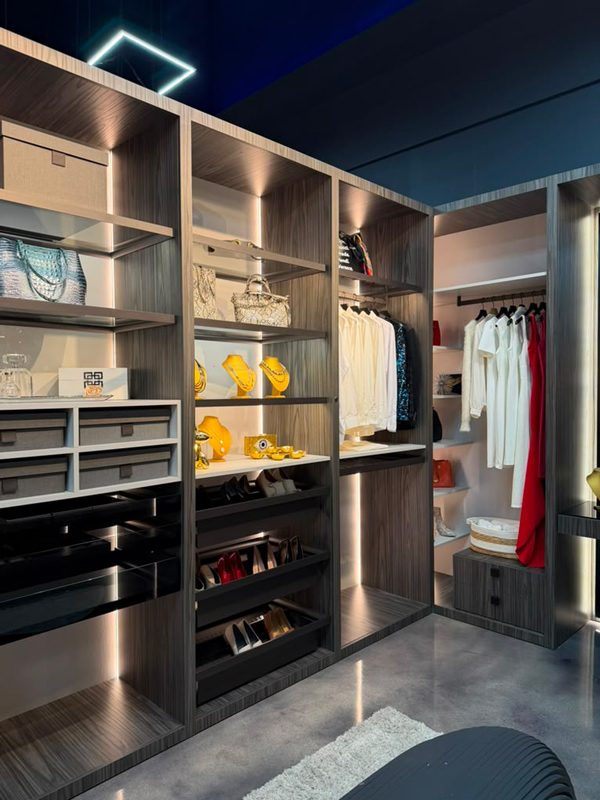
Shallow drawers usually work better for small folded items because they keep clothing visible and prevent unstable piles. Open shelves are better for bulky sweaters, handbags, or labeled containers that need to be reached quickly. In narrow closets, the deciding factor is accessibility. Storage that is too deep often hides items and makes the closet harder to maintain.
Choose Shallow Drawers for Small Folded Items
Use drawers for underwear, socks, T-shirts, accessories, and other items that tend to become mixed together on an open shelf.
Use Open Shelves for Bulky Items
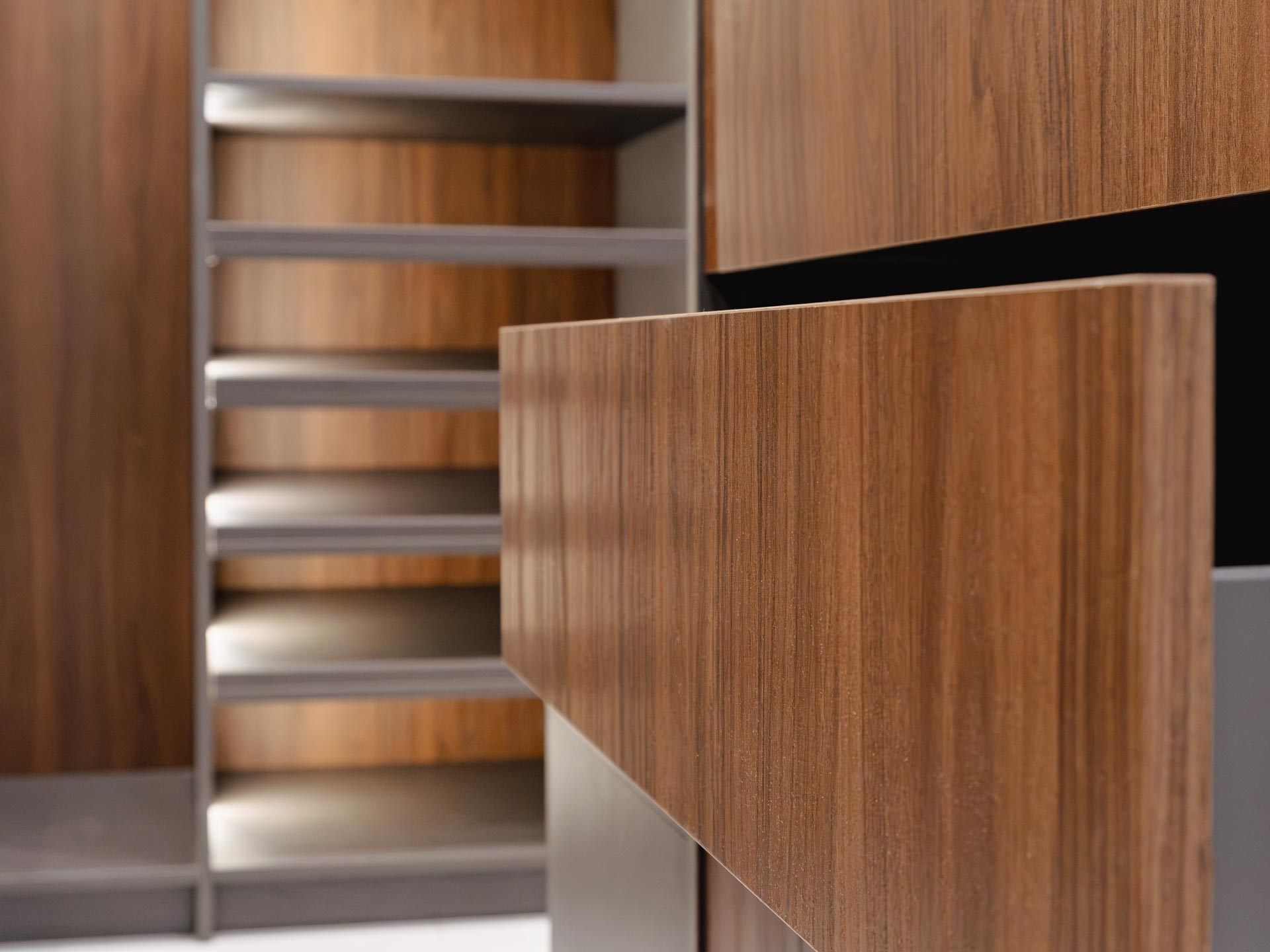
Shelves work well for sweaters, bags, storage boxes, and items that are too large for shallow drawers.
Avoid Shelves That Are Too Deep
For most folded clothing, shelves around 12 to 14 inches deep are easier to use than very deep shelves. Extra depth often creates a hidden second row.
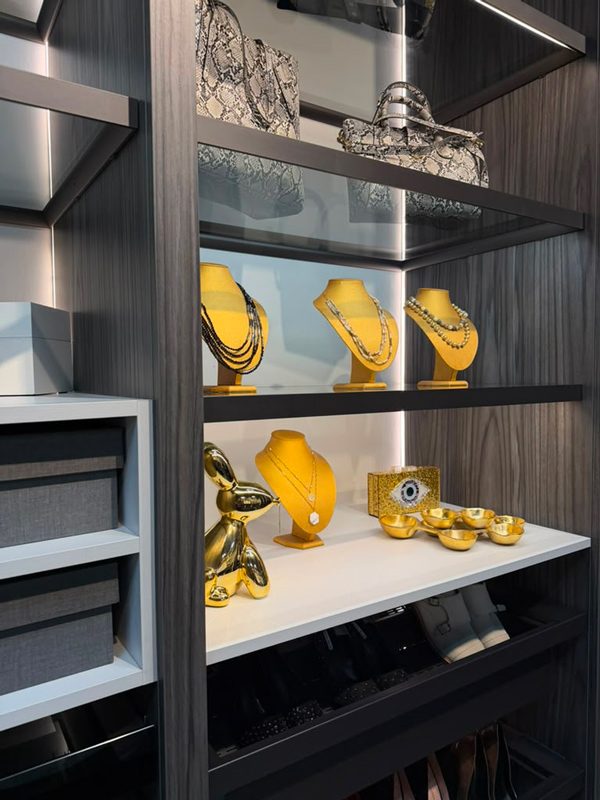
Add Shelf Dividers Where Drawers Are Not Possible
Dividers prevent folded stacks from collapsing into one another and give each category a visible boundary.
How to Create Closet Space in a Small Room
When a room has little or no closet storage, use the full wall height, choose sliding doors where swing clearance is limited, and create deliberate storage zones outside the closet. A narrow wardrobe, storage bench, under-bed container, or fitted corner unit can add capacity without overwhelming the room. Keep overflow organized instead of spreading it across several pieces of furniture.
Build Storage Up to the Ceiling
Tall wardrobes and wall systems make use of space that would otherwise remain empty. Reserve the highest compartments for infrequently used belongings.
Choose Sliding Doors Over Swing Doors
Sliding doors do not require a clear opening arc, which can make a meaningful difference in a narrow bedroom or tight circulation area.
Use the Foot of the Bed and Dead Corners
A storage bench, narrow wardrobe, or fitted corner unit can hold overflow clothing while keeping walking areas clear.
Keep Overflow Storage Deliberate
Moving clothing outside the closet only helps when each new location has a defined purpose. Otherwise, the room gains furniture without gaining organization.
Reserve your showroom visit now
Book a private walkthrough of our Doral studio and see the materials and finishes in person.
Does Lighting Change How Big a Closet Feels?
Good lighting makes a closet feel more open because it reduces shadows and helps you see what is stored on shelves, rods, and in corners. A light placed near the front edge of a shelf is usually more useful than one aimed only at the back wall. Better visibility also makes it easier to return items to the correct place.
Light the Front Edge of Shelves
An LED light bar near the front edge can illuminate both shelf contents and hanging clothes below it.
Illuminate Clothing, Not Only the Back Wall
A bright back wall may still leave the front of garments in shadow. Position the light so it reaches labels, colors, and shelf edges.
Treat Visibility as Part of the Storage Plan
We treat lighting as part of closet organization because hidden items are less likely to be used and more likely to be forgotten.
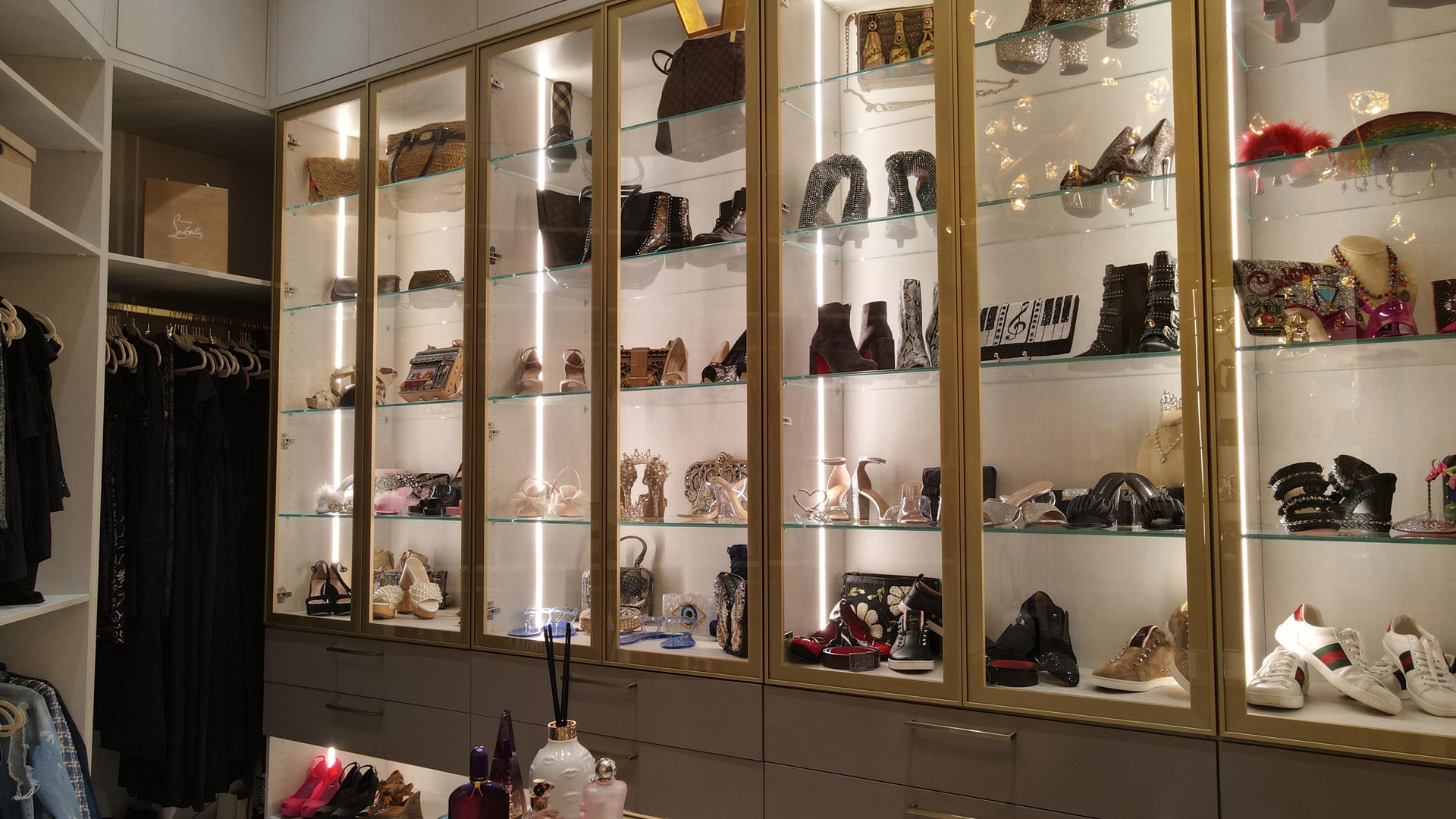
When Does a Custom Closet System Make Sense?
A custom closet system makes sense when standard organizers cannot use the available geometry or support the people sharing the space. Angled walls, high ceilings, uneven corners, mixed garment lengths, and separate storage routines can justify a fitted layout. A simple rectangular closet, however, may improve significantly with basic rods, shelves, drawers, and better editing.
Standard Organizers May Be Enough
A straightforward reach-in closet with square walls and modest storage needs may only require a second rod, shallower shelving, or better-defined zones.
Custom Design Helps With Difficult Geometry
The Ludlam Luxury Closet offers a real reference for considering how fitted storage can respond to a specific room rather than forcing generic components into it.
Shared Closets Need Separate Storage Zones
The Pinecrest Signature Closet can be used as a reference when planning distinct hanging, drawer, and accessory zones for more than one person.
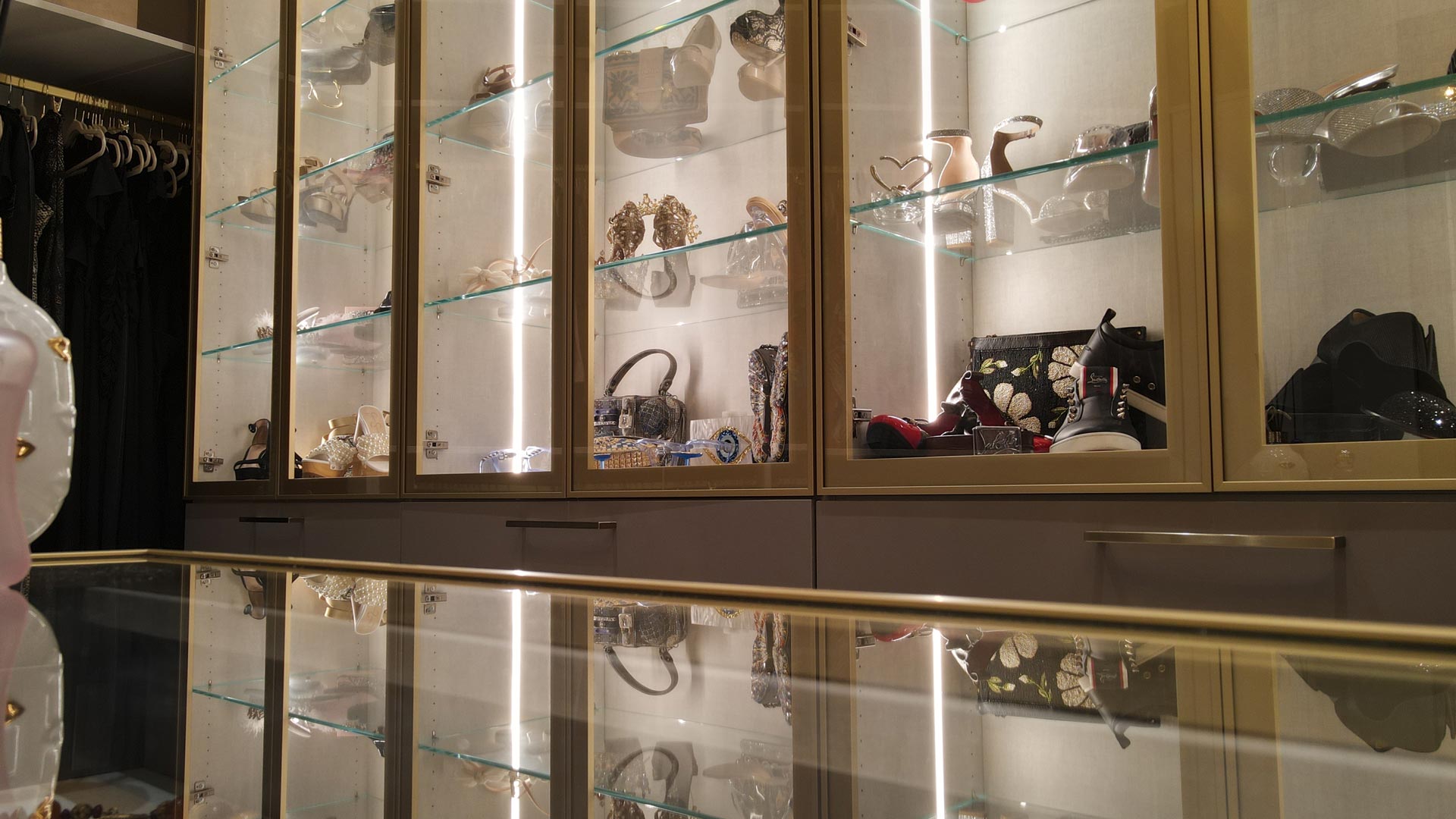
A custom layout earns its value when it solves access and geometry problems that modular pieces leave behind. Readers can explore our recent projects, project gallery, and our closet design service for additional context.
What Are the Most Common Questions About Small Closet Organization?
The most common questions concern adding capacity without construction, placing double rods, choosing shelf depth, evaluating hanging organizers, and deciding whether custom storage is justified. The answers depend on garment type, room geometry, accessibility, and daily habits. More storage is useful only when clothing remains visible, reachable, and simple to put away.
How Do You Fit More Clothes in a Small Closet Without a Remodel?
Remove unused clothing, switch to slim hangers, add a second rod for short garments, use upper shelves for seasonal items, and place hooks on available wall or door space. Avoid filling every surface. Keeping frequently worn clothing visible and easy to return will usually improve the closet more than adding several unrelated organizers.
What Is the Standard Height for a Double Hanging Rod?
A common starting point places the lower rod around 40 to 42 inches from the floor and the upper rod around 80 to 82 inches. These measurements are not universal. Adjust them for garment length, user height, shelf position, and any base drawers. Test the layout with actual clothing before making permanent changes.
Are Hanging Closet Organizers Worth It?
They are worthwhile when you need inexpensive, removable compartments for lightweight folded clothes or accessories and have enough unused rod space. They are less useful in a closet already short on hanging width. Fabric models can also sag when overloaded, so they should not replace stable drawers or shelves for heavy, frequently used items.
How Deep Should Closet Shelves Be?
For folded clothing, shelves around 12 to 14 inches deep are usually easy to see and reach. Deeper shelves may work for large containers, bedding, or luggage, but they often create hidden rows of everyday clothes. Choose shelf depth according to what will be stored there, not simply according to the closet's maximum depth.
Is a Custom Closet System Worth It for a Small Closet?
It can be worthwhile when angled walls, high ceilings, narrow corners, or shared storage needs prevent standard pieces from fitting well. Custom design is less necessary in a simple rectangular closet that can be improved with basic components. The goal should be better access and a more useful layout, not merely filling every open inch.
A small closet works best when its layout reflects the wardrobe, the room, and the way each person gets dressed. Measure first, preserve access, and add only the components that solve a specific problem. To discuss a difficult space, explore our closet design service or book a design consultation.
Reserve your showroom visit now
Book a private walkthrough of our Doral studio and see the materials and finishes in person.
EXPLOREMORE
Go beyond the finished space. Explore the insights, inspirations, collaborations, and ideas that shape our world.
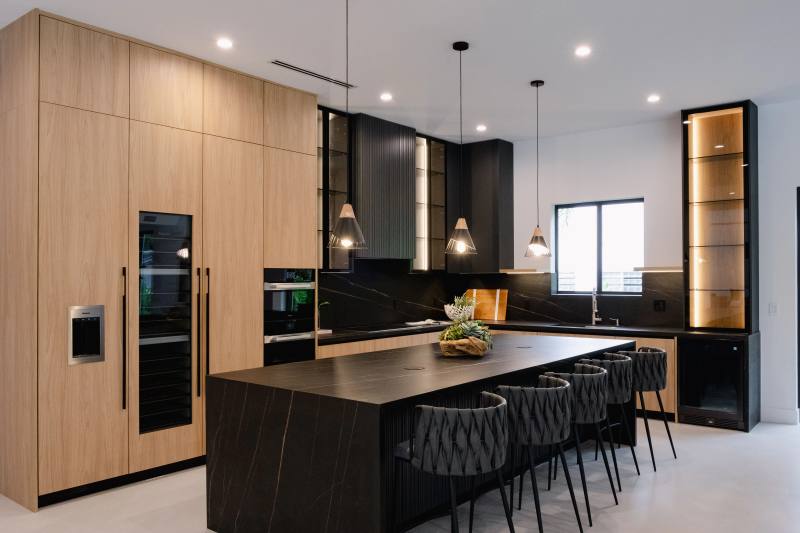
INSIGHT
How a Luxury Kitchen Increases Home Value: The 2026 Guide to High-End ROI
Learn how a luxury kitchen boosts home value in 2026 through premium materials, smart appliances, custom design, and features that attract high-end buyers.
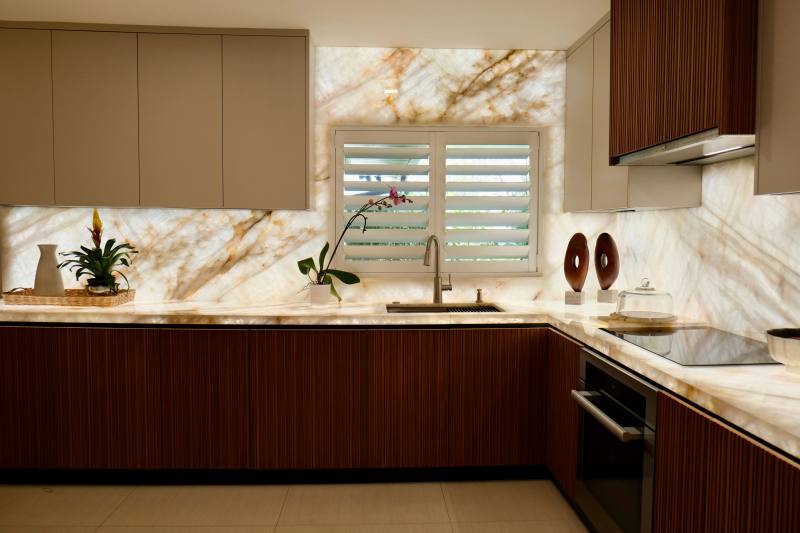
INSIGHT
The Best Luxury Countertop Materials for 2026: Marble, Quartz, Quartzite, and the New Era of High-End Surfaces
Discover the top luxury countertop materials for 2026 - marble, quartz, quartzite, granite, Dekton, porcelain - for elegant, durable, and timeless kitchens.
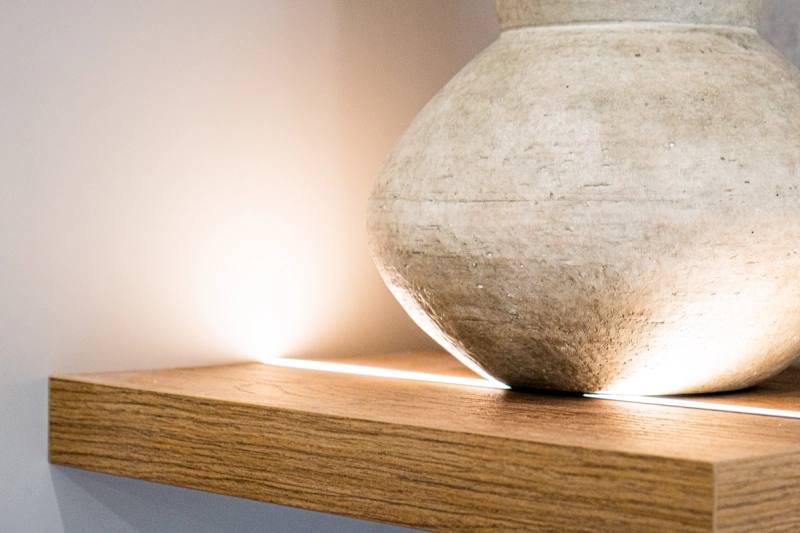
INSIGHT
Luxury Kitchen Lighting in 2026: How Illumination Shapes Elegance, Functionality, and Atmosphere
Explore luxury kitchen lighting trends for 2026, including layered lighting, sculptural pendants, LED accents, and smart systems that elevate modern interiors.